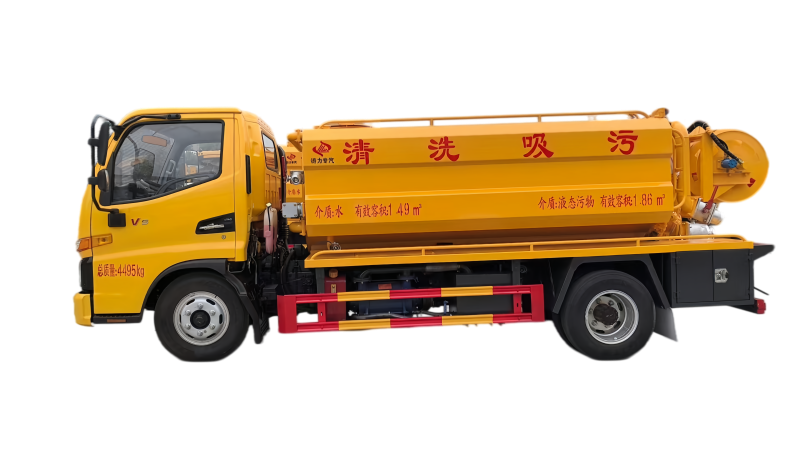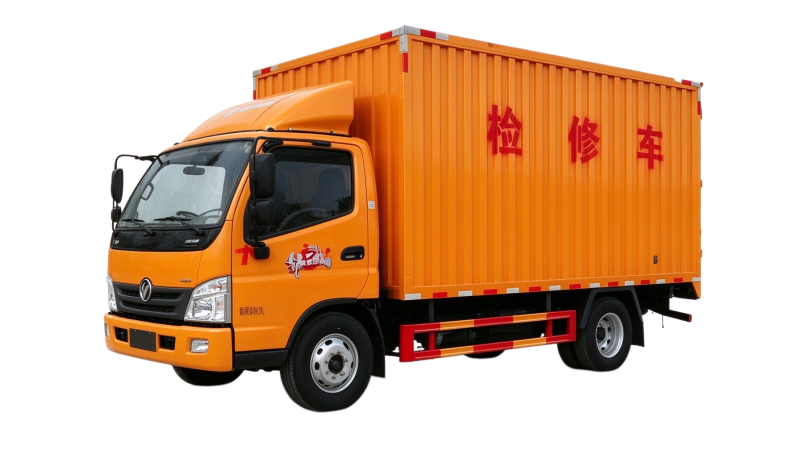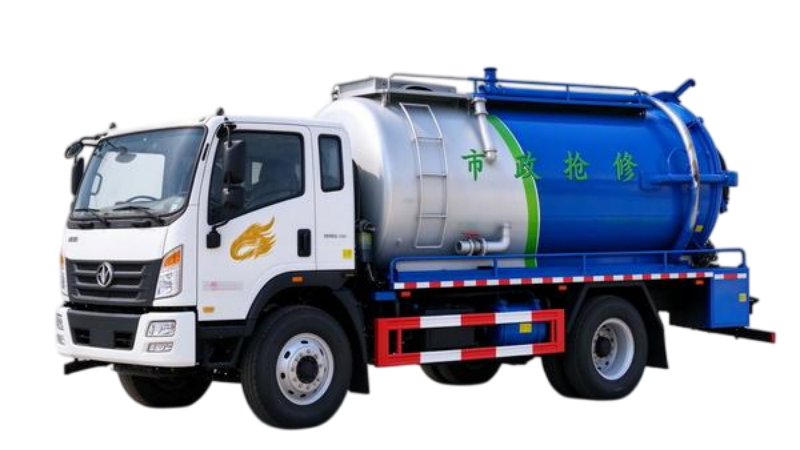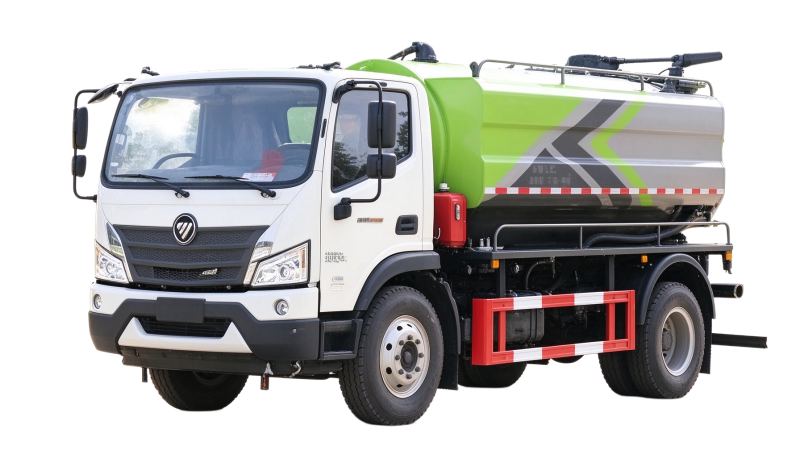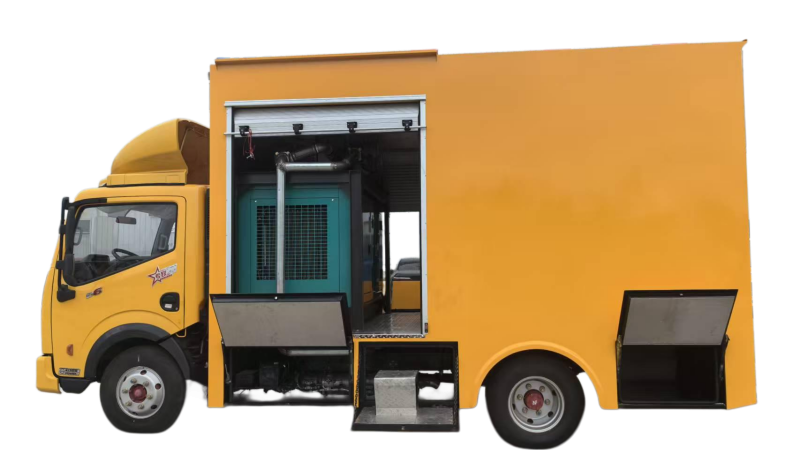
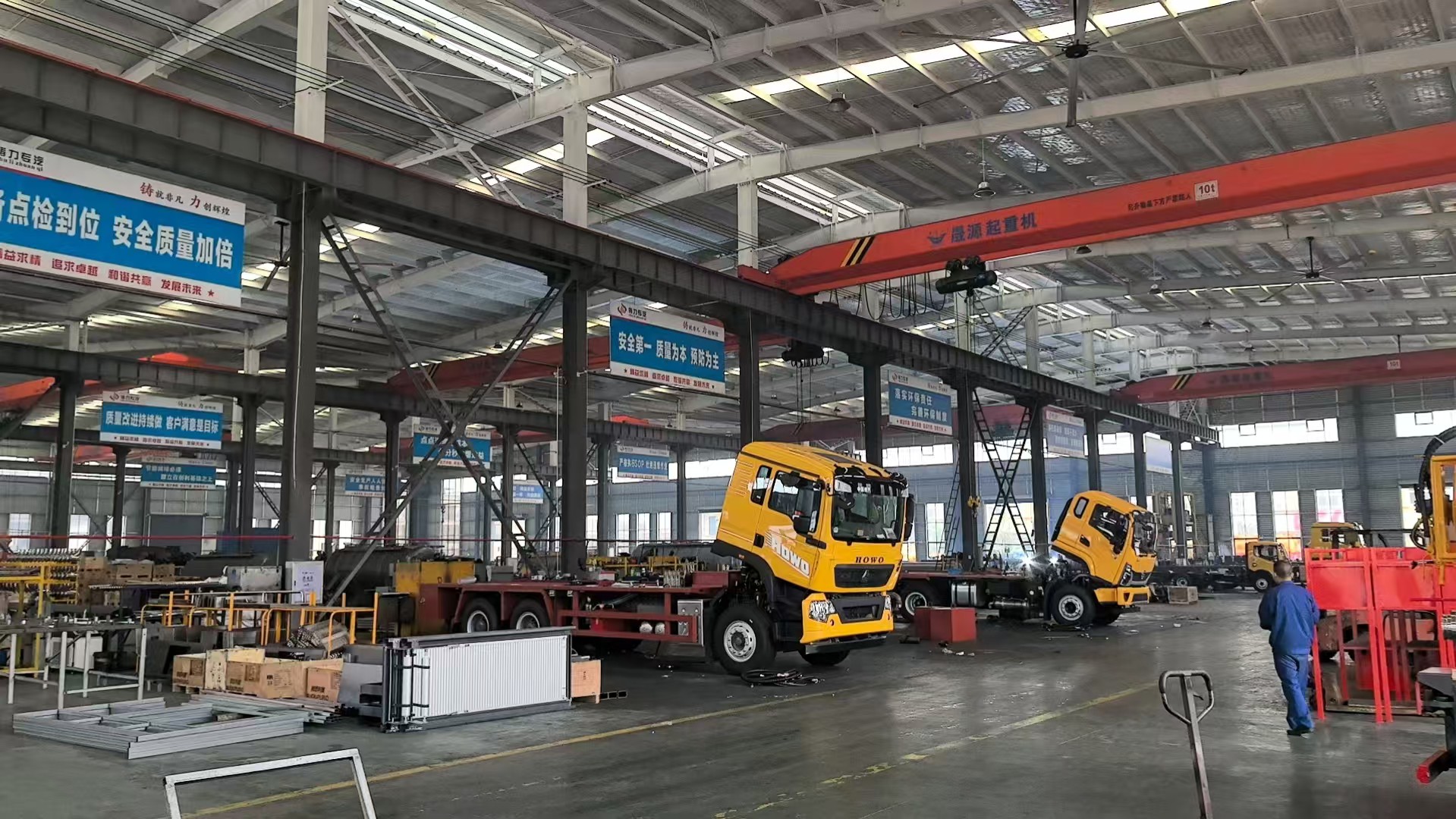
The overall layout of the base fully follows the lean manufacturing concept. The production process is divided into six functional zones in the sequence of "chassis modification - subframe assembly - tank/body forming - pipeline & electrical wiring - function commissioning - final offline". The logistics routes are completely free of crossing and detours, supporting the parallel assembly of two core product lines: emergency rescue vehicles and vacuum sewage suction trucks. With flexible tooling design, a single production line can quickly adapt to the customized production requirements of different specification models, perfectly matching the order characteristics of the emergency equipment industry: "multiple varieties, small batches, high customization".
Calculated based on the official capacity plan, the project of emergency rescue vehicles has a filed annual capacity of 100 units, while the annual capacity of sewage suction trucks reaches 300 units, bringing the total annual capacity of the two core product lines to 400 units. Considering practical factors including product model switching, equipment maintenance, and personnel skill ramp-up, under the comprehensive operation efficiency coefficient of 85%, the actual stable annual capacity can reach more than 340 units. This figure still reserves sufficient room for growth compared with the publicly announced filing target, providing adequate flexible capacity for subsequent new orders.
The stable operation of this capacity system is supported by three core pillars. At the front process end, the blanking and forming workshop is equipped with advanced equipment such as laser cutting machines and CNC bending machines, with an annual steel processing capacity of over 15,000 tons. The welding stations are equipped with automated welding robots, ensuring the welding qualification rate of key structural welds stably exceeds 98%, which can fully meet the material supply demand of the final assembly process. In terms of supply chain, the enterprise is deeply integrated into Suizhou's local mature special purpose vehicle industrial cluster, where more than 90% of spare parts procurement can be completed within a 50-kilometer radius. Supported by the strategic cooperative inventory mechanism established with leading core suppliers, the delivery cycle and supply quality of key materials are double guaranteed. For quality control, a professional testing center is built to cover the full inspection process from raw material incoming inspection to finished vehicle delivery, ensuring all products fully comply with the requirements of MIIT (Ministry of Industry and Information Technology) announcement compliance.
At present, the base has completed the trial production phase and is in the formal capacity ramp-up period. In the first year after operation, the capacity release rate will reach 60%, realizing the delivery of 30-50 emergency rescue vehicles and more than 150 sanitation special vehicles. In the second year, the capacity release rate will rise to 80%, gradually approaching the total capacity target of 400 units. After the third year of operation, the base will enter the stable full-production stage, with the capacity utilization rate stably maintained above 85%. With the steady release of production capacity, this modern production base with a total construction area of 23,587.2 ㎡ will become the core manufacturing backing for Hubei Zhuli to deeply cultivate the two niche tracks of emergency rescue and sanitation equipment.

 Chinese
 English